
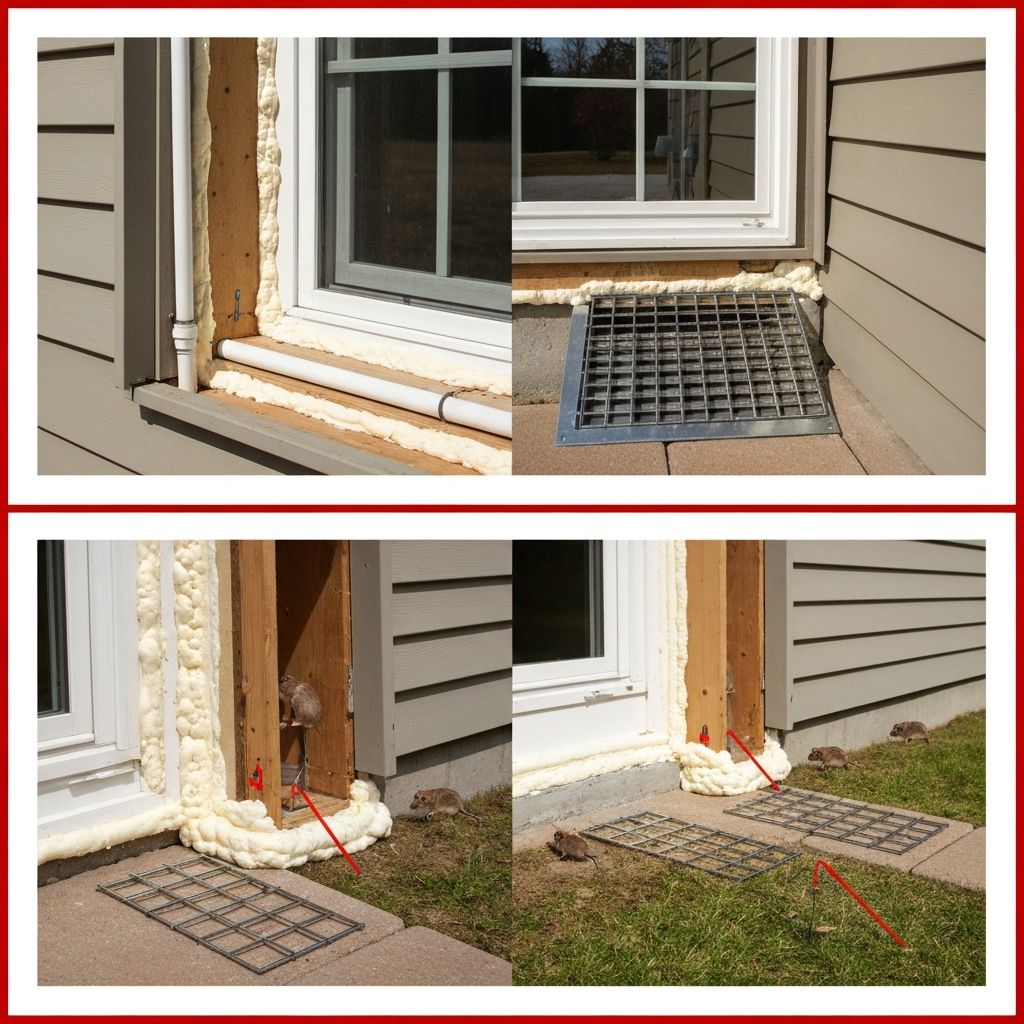
As temperatures drop across Central Texas, mice and rats begin their annual search for warm shelter—and your home is their ideal destination. These resourceful rodents can squeeze through surprisingly small openings: mice can fit through holes the size of a dime, while rats only need a quarter-sized gap. Once inside, they reproduce rapidly, contaminate food, spread disease, and cause significant property damage by gnawing on wires, insulation, and structural components.
The good news is that with proper exclusion techniques, you can prevent rodents from ever entering your home. This comprehensive guide covers everything you need to know about rodent-proofing before winter arrives.
Understanding Rodent Behavior
To effectively keep rodents out, it helps to understand what drives them. Mice and rats are primarily motivated by three things: food, water, and shelter. In winter, the need for warmth becomes paramount, making your heated home irresistible.
Rodents are nocturnal and prefer to travel along walls and edges rather than crossing open spaces. They're also neophobic, meaning they're cautious about new things in their environment—which is why traps often fail if placed improperly. They have poor eyesight but excellent senses of smell, taste, and touch.
Both mice and rats are excellent climbers and can jump considerable distances. Mice can jump up to 12 inches high, while rats can leap up to 4 feet horizontally. This means exclusion efforts must address not just ground-level entry points but also elevated vulnerabilities.
Conducting a Home Inspection
Before you can rodent-proof your home, you need to identify all potential entry points. We recommend conducting a thorough inspection of both the exterior and interior of your home. Here's a systematic approach:
Exterior Foundation
Walk the entire perimeter of your home, examining the foundation from ground level up to the siding. Look for:
- Cracks or gaps in concrete foundations
- Gaps where the foundation meets the siding
- Openings around utility penetrations (water, gas, electric, cable)
- Deteriorating mortar in brick or stone foundations
- Gaps around basement windows or window wells
Walls and Siding
Continue your inspection up the walls, checking:
- Gaps around window and door frames
- Damaged or missing siding
- Holes where utility lines enter
- Weep holes in brick (should have steel wool or mesh)
- Gaps around exterior faucets and dryer vents
Roof and Attic
Rodents are excellent climbers, so don't neglect the upper areas of your home:
- Roof vents and turbines
- Chimney caps and flashing
- Gaps where the roof meets the siding
- Soffit vents and fascia boards
- Overhanging tree branches that provide access
Garage and Outbuildings
Garages are prime rodent entry points due to frequently opened doors and multiple utility penetrations:
- Garage door seals and weatherstripping
- Gaps around the garage door frame
- Entry doors between garage and house
- Stored items that provide hiding spots
Sealing Entry Points
Once you've identified vulnerabilities, it's time to seal them. Use appropriate materials for each situation—remember that rodents can chew through many common materials:
Materials That Work
- Steel wool and caulk combination: Stuff gaps with steel wool, then seal with caulk. Rodents can't chew through steel wool.
- Hardware cloth (1/4" mesh): Ideal for covering larger openings like vents while maintaining airflow
- Metal flashing: Perfect for gaps along rooflines and around pipes
- Concrete or morite: For foundation cracks and gaps
- Metal door sweeps: Replace rubber sweeps with metal-reinforced versions
- Copper mesh: Won't rust like steel wool and can be painted to match surfaces
Materials to Avoid
- Expandable foam alone (rodents chew through it easily)
- Wood (can be gnawed through)
- Plastic (easily damaged by rodent teeth)
- Regular caulk without steel wool backup
Eliminating Attractants
Even the best exclusion work will fail if your home remains attractive to rodents. Eliminate food and water sources to make your property less appealing:
Food Storage
Store all food in sealed containers, including pet food, bird seed, and pantry items. Don't leave pet food out overnight. Keep garbage in containers with tight-fitting lids and take it out regularly. Clean up fallen fruit from trees and spilled seed from bird feeders.
Water Sources
Fix any leaky faucets, pipes, or irrigation systems. Don't leave pet water bowls out overnight. Ensure proper drainage around your foundation. Address any condensation issues in basements or crawl spaces.
Shelter and Harborage
Keep vegetation trimmed away from your home's exterior. Store firewood at least 20 feet from your home and elevated off the ground. Remove debris piles, old equipment, and clutter from your yard. Keep storage areas organized so you can spot evidence of rodents.
Interior Prevention
Don't forget to address the inside of your home as well:
- Install door sweeps on interior garage doors
- Seal gaps around pipes under sinks
- Store food properly in the pantry
- Keep clutter to a minimum, especially in basements and attics
- Regularly inspect stored items for signs of rodent activity
Signs of Rodent Activity
Even with prevention measures in place, it's important to monitor for signs of rodent activity:
- Droppings: Mouse droppings are small (1/4") and pointed; rat droppings are larger (1/2-3/4") with blunt ends
- Gnaw marks: Fresh marks are lighter in color; older marks are darker
- Rub marks: Greasy smears along walls from rodent fur
- Sounds: Scratching, scurrying, or squeaking, especially at night
- Nests: Shredded paper, fabric, or insulation in hidden areas
- Tracks: Footprints in dusty areas
Professional Rodent Exclusion
While many homeowners can handle basic rodent-proofing, comprehensive exclusion often requires professional expertise. At Absolute Pest Management, our rodent exclusion service includes a complete inspection of your property, identification and sealing of all entry points, elimination of existing rodents, and recommendations for preventing future problems.
We back our work with a guarantee—if rodents return, so do we, at no additional charge. With over 25 years of experience protecting Central Texas homes, we know exactly where to look and how to create lasting barriers against rodent intrusion.
Don't wait until you hear scratching in your walls or find droppings in your pantry. Contact us today to schedule a rodent exclusion inspection and protect your home before winter drives mice and rats indoors.