
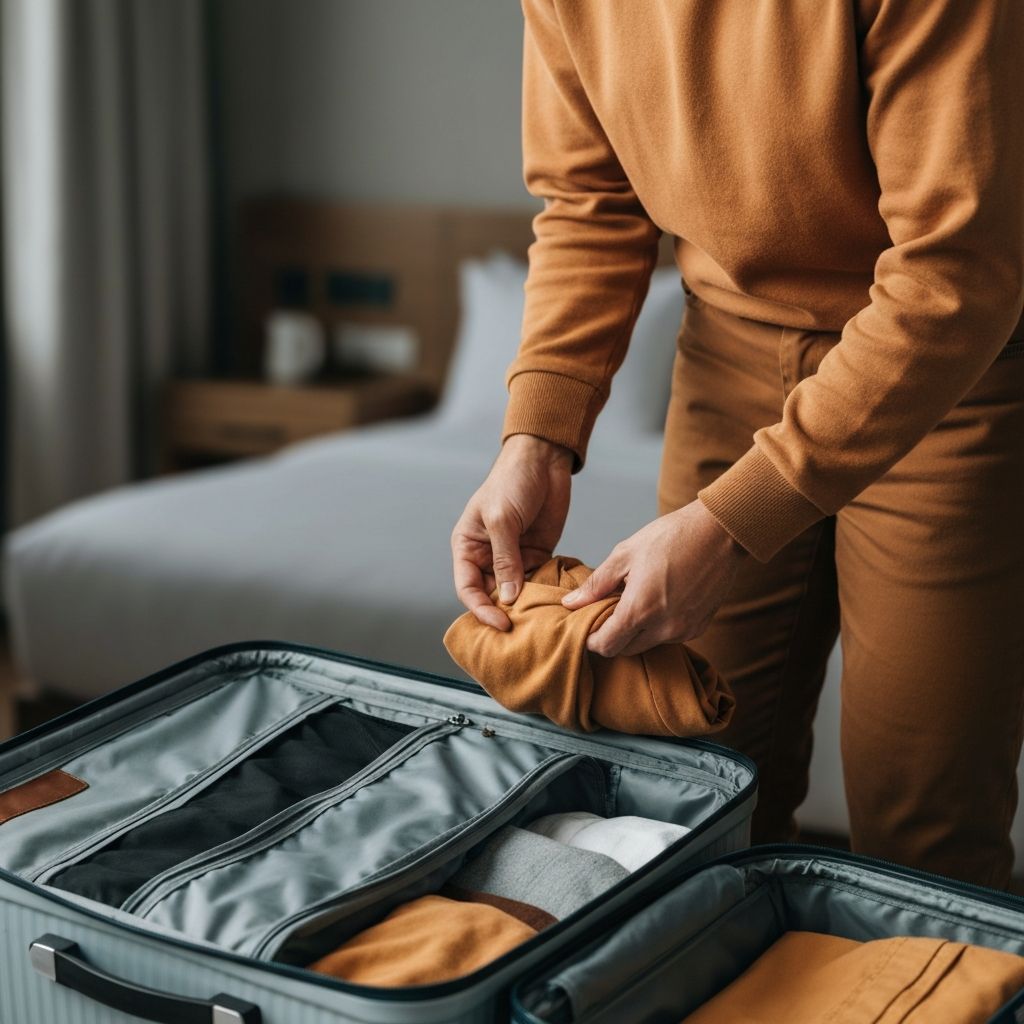
The holiday season means increased travel—visiting family, taking vacations, and staying in hotels. Unfortunately, it also means increased risk of encountering bed bugs. These persistent hitchhikers don't discriminate based on cleanliness; they can be found in five-star hotels just as easily as budget motels. Once they climb into your luggage, they can quickly establish an infestation in your home that costs hundreds or even thousands of dollars to eliminate.
The good news is that with the right precautions, you can significantly reduce your risk of bringing bed bugs home from your travels. Here's everything you need to know to protect yourself and your family this holiday season.
Understanding Bed Bug Basics
Before diving into prevention strategies, it helps to understand what you're dealing with. Bed bugs are small, flat, oval-shaped insects about the size of an apple seed. They're reddish-brown in color and become more elongated and darker after feeding. They don't fly or jump but are excellent hitchhikers, clinging to luggage, clothing, and other belongings.
Bed bugs are primarily nocturnal and feed on human blood, typically while you sleep. Their bites often appear in lines or clusters and can cause itchy welts, though some people show no reaction at all. A single female bed bug can lay up to 500 eggs in her lifetime, which means even a few hitchhikers can quickly become a major infestation.
These pests have made a significant resurgence in recent decades, partly due to increased travel and partly due to pesticide resistance. They're now found in all 50 states and in accommodations of every quality level.
Before Your Trip: Preparation
Smart bed bug prevention starts before you even leave home:
Choose Your Luggage Wisely
Hard-sided luggage with smooth surfaces is more difficult for bed bugs to cling to than fabric bags. If you use soft-sided luggage, choose light-colored options that make it easier to spot any pests. Avoid purchasing secondhand luggage, as it may harbor hidden bed bugs or eggs.
Pack Strategically
Place your clothing in large, sealable plastic bags inside your suitcase. This creates an extra barrier between your belongings and any potential bed bugs. Consider packing a small flashlight for hotel room inspections and a few extra plastic bags for isolating items if needed.
Research Your Accommodations
Before booking, check bed bug registry websites and read recent reviews that mention cleanliness or pest issues. While no hotel is completely immune to bed bugs, frequent reports should be a red flag. Remember that bed bugs aren't a sign of poor housekeeping—they simply go where people go.
At Your Hotel: The Inspection
Upon arriving at your hotel room, conduct a thorough inspection before unpacking. This only takes a few minutes and could save you months of headaches:
Step 1: Protect Your Luggage
Immediately place your luggage in the bathroom—either in the bathtub or on the tile floor. Bed bugs rarely hide in bathrooms due to the lack of fabric and hiding spots. Never place your luggage on the bed or upholstered furniture until you've completed your inspection.
Step 2: Inspect the Bed
This is where bed bugs are most commonly found. Pull back the sheets and examine the mattress seams, especially at the corners and around the piping. Look for:
- Live bed bugs (small, reddish-brown, flat insects)
- Small dark spots (fecal stains)
- Tiny white eggs or shed skins
- Small blood stains on sheets
Lift the mattress and check the box spring, particularly around the edges and in any tears or holes in the fabric covering. If there's a bed skirt, examine it carefully as well.
Step 3: Check the Headboard
If possible, pull the headboard away from the wall and inspect behind it with a flashlight. Bed bugs love to hide in the crevices between the headboard and wall. If the headboard is attached to the wall, check as much as you can access.
Step 4: Examine Nearby Furniture
Inspect the nightstands, including inside drawers and the undersides. Check upholstered chairs and the seams of any sofas or couches. Look behind picture frames and mirrors near the bed. Examine the curtains, especially along the edges and where they meet the wall.
Step 5: Check the Luggage Rack
Before using the luggage rack, inspect the straps and joints where bed bugs might hide. Even after inspection, some travelers prefer to keep luggage in the bathroom or on a hard, elevated surface.
What If You Find Evidence?
If you discover any signs of bed bugs, immediately notify the front desk and request a different room—preferably not adjacent to or directly above/below the original room, as infestations often spread to neighboring spaces. If you're not satisfied with the hotel's response, consider finding alternative accommodations.
During Your Stay: Ongoing Precautions
Even after a clean inspection, maintain vigilance throughout your stay:
- Keep luggage on the luggage rack or in the bathroom, never on the bed or floor
- Hang clothing in the closet rather than storing in drawers
- Keep dirty laundry in a sealed plastic bag
- Inspect the bed again before sleeping each night
- Watch for bites, though not everyone reacts to bed bug bites
Returning Home: Post-Travel Protocol
Your bed bug prevention efforts shouldn't end when you return home:
Before Entering Your Home
If possible, unpack your luggage outside or in the garage, not in your bedroom. Inspect your luggage thoroughly before bringing it inside. Look in all pockets, seams, and compartments.
Launder Everything
Unpack directly into the washing machine. Wash all clothing—even items you didn't wear—in hot water and dry on the highest heat setting for at least 30 minutes. The heat is what kills bed bugs; water temperature alone may not be sufficient. For items that can't be washed, a hot dryer cycle is often effective.
Treat Your Luggage
Vacuum your suitcase thoroughly, paying attention to seams and pockets. Dispose of the vacuum bag immediately in an outdoor trash can. If possible, heat-treat the luggage in a hot car (temperatures above 120°F for several hours can kill bed bugs) or store it in a sealed plastic bag in a garage or basement away from living spaces.
Monitor for Signs
For the next few weeks, watch for signs of bed bugs in your home:
- Unexplained bites, especially in lines or clusters
- Small blood spots on sheets
- Dark fecal spots on mattresses or furniture
- A sweet, musty odor (in heavy infestations)
If You Suspect an Infestation
If you notice any signs of bed bugs after traveling, act immediately. Early detection makes treatment much easier and less expensive. At Absolute Pest Management, we offer thorough bed bug inspections to confirm infestations and customized treatment plans that eliminate bed bugs at all life stages.
Our bed bug treatments include preparation guidance, treatment of all affected areas, and follow-up visits to ensure complete elimination. We understand how stressful a bed bug infestation can be, and we work quickly and discretely to restore your peace of mind.
Don't let bed bugs ruin your holiday memories. Contact us at the first sign of trouble, and we'll help you protect your home from these persistent pests.